Week one: make the world small
One room. One bed. One person doing the feeding. Resist the visitors, the parks and the pet shop. A dog who has never had walls has to learn that these particular walls are safe before it can learn anything else.
Food
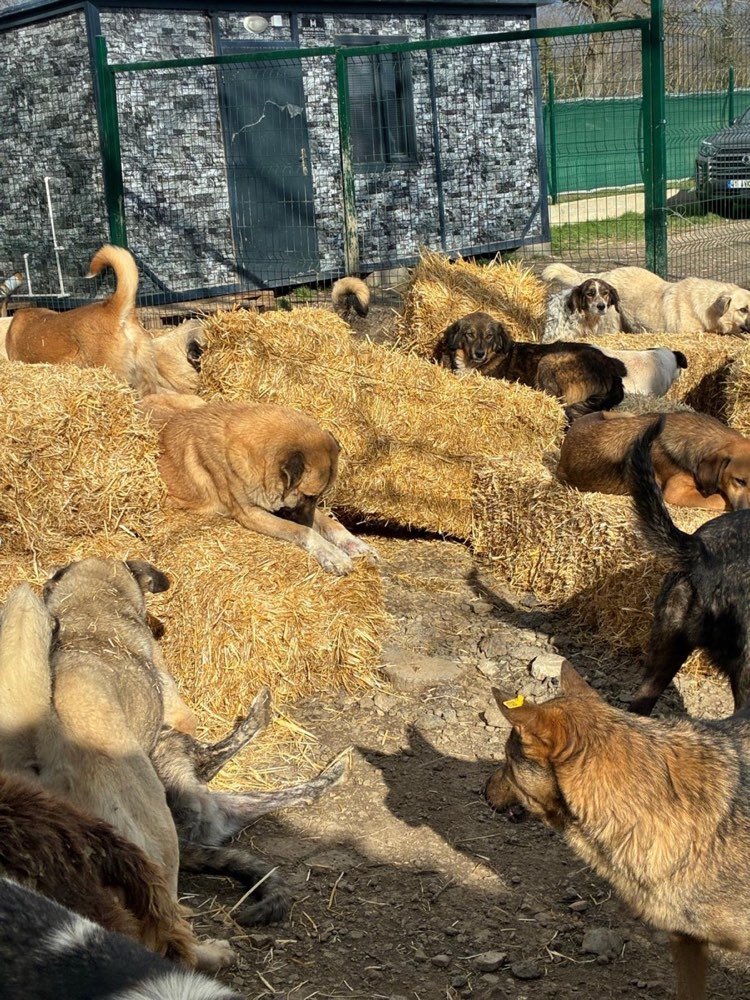
Small meals, often, at the same hours. Many of these dogs have spent their whole lives eating whatever arrived, whenever it arrived. Predictability is what finally convinces them the food is not going to stop.
Stairs, mirrors, television, doors that close
All new. All potentially alarming. None of it has to be solved in the first week.
Sleep
Expect a dog who sleeps enormously, or a dog who barely sleeps at all. Both are normal at the start. Give them a bed with a wall behind it and a view of the door.
The lead
Many have never worn one. Practise indoors, then in a quiet corridor, then outside. Short and boring beats long and exciting for the first fortnight.
Other animals, and children
Slowly, and always with a way out for both of them. A dog that can leave a situation rarely needs to defend itself in one.
The turn
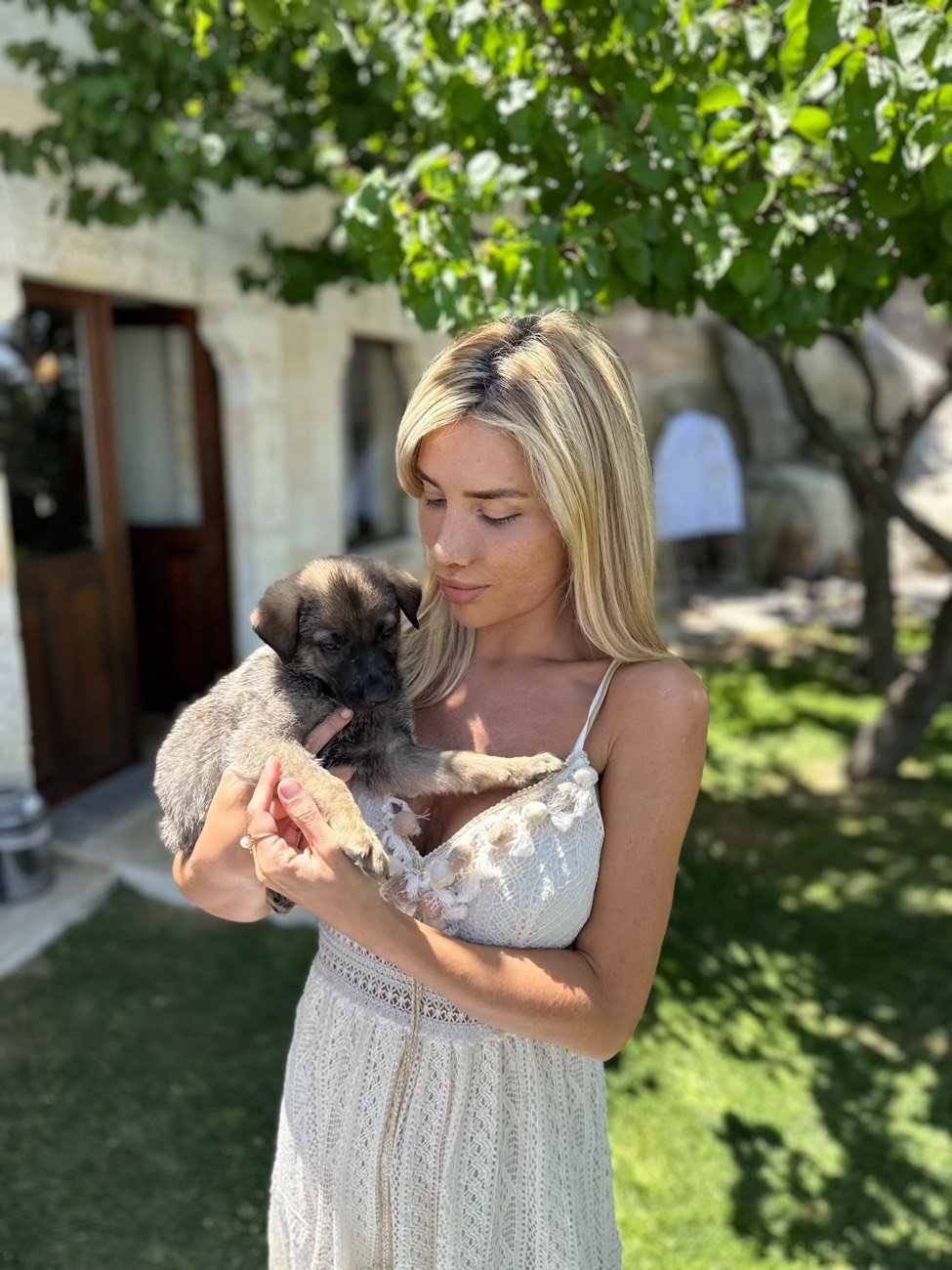
It usually comes somewhere in the third or fourth week, and it is unmistakable. The dog stops watching the door and starts watching you.
What we ask of you
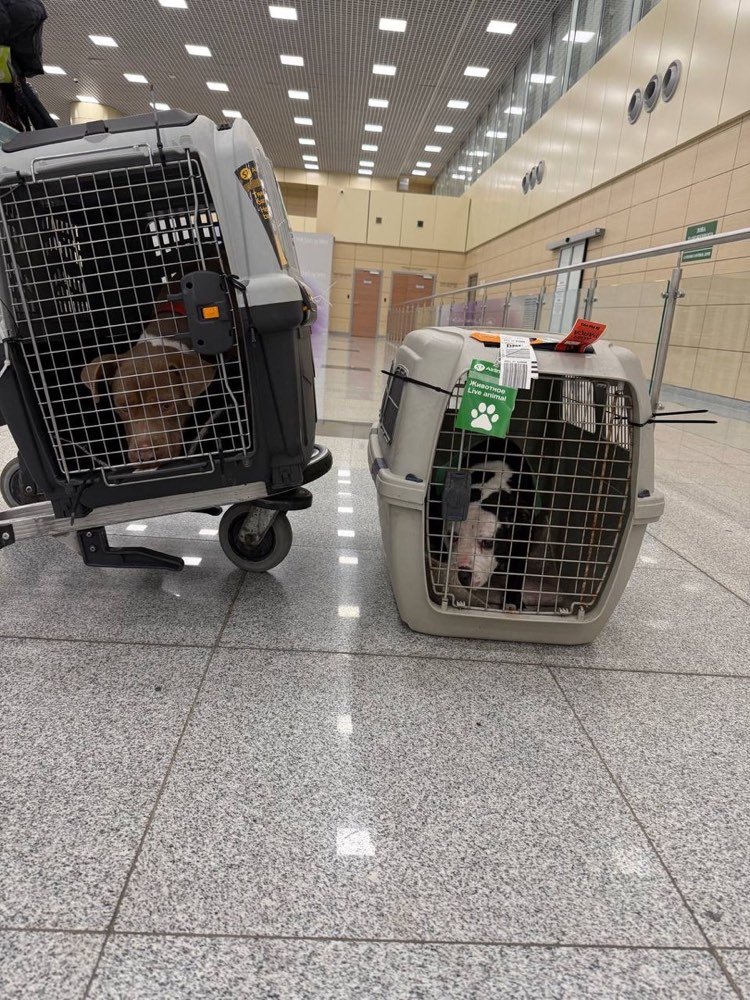
Patience for a month, and a photograph once in a while. That is the whole arrangement. We pay for the vet, the papers, the transport and the flight. The application is here.