Money
Where a donation actually goes
Most people give without ever learning what they bought. Here is the whole ledger, in three lines.
Where the money goes
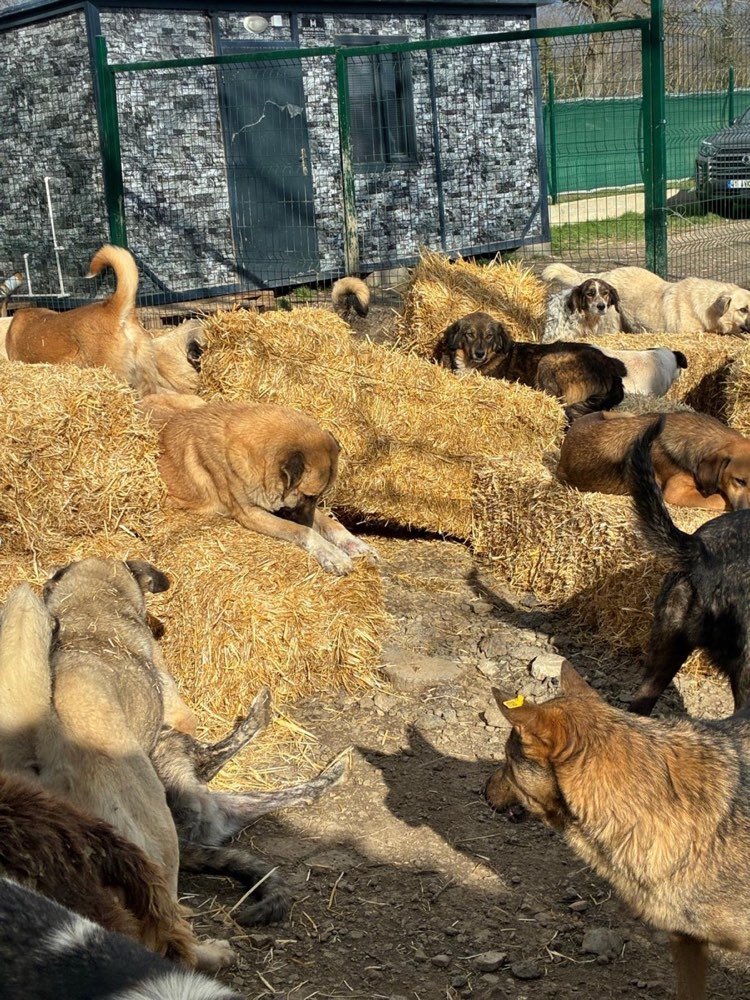
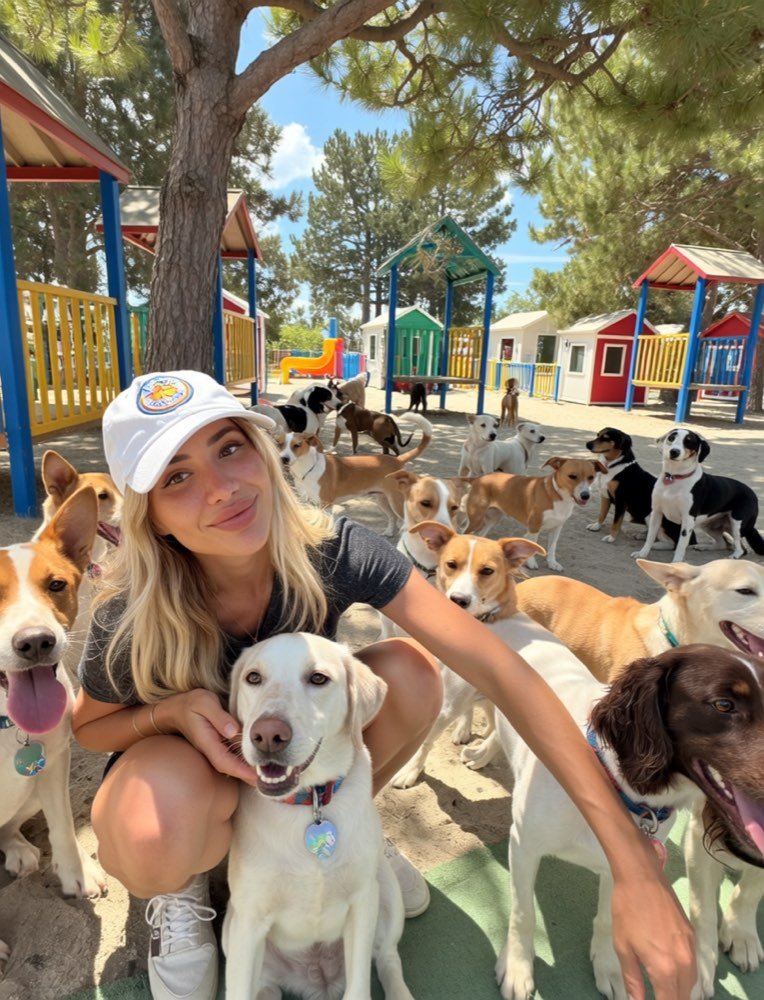
There is no organisation between you and the dog. What you give is spent in Turkey, on three things and nothing else. There are more than 2,000 dogs in our care right now, on open land, with no walls around them.
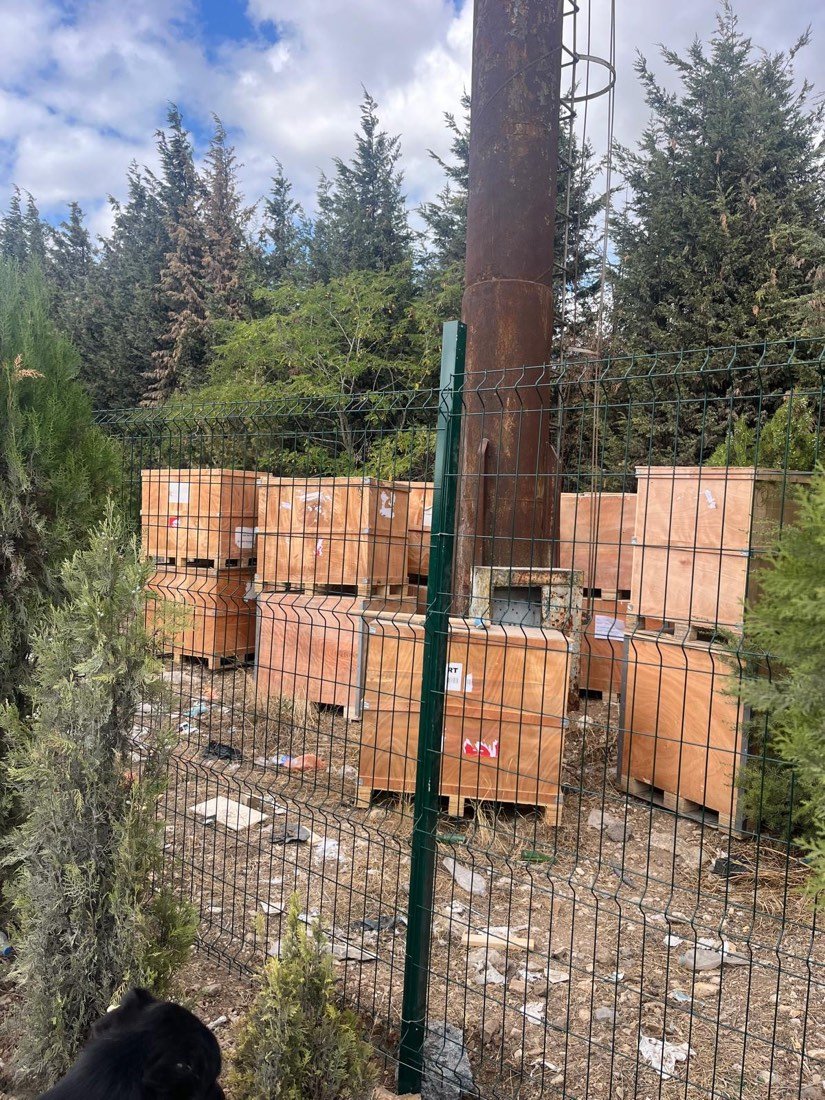
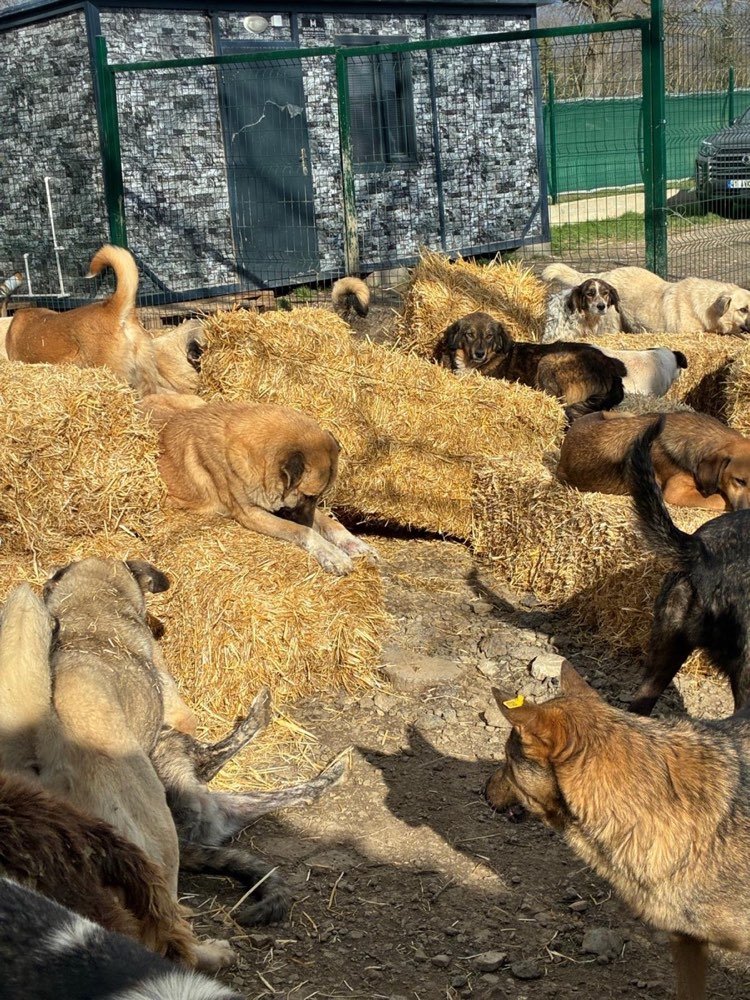
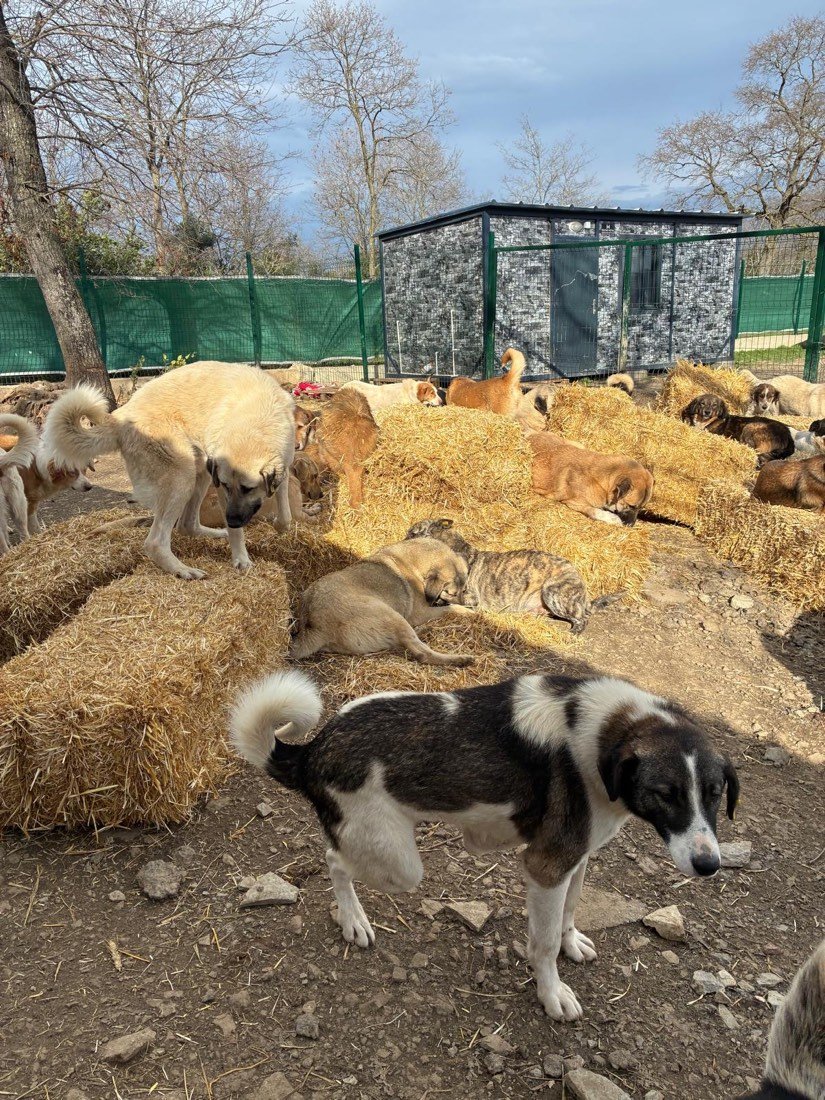
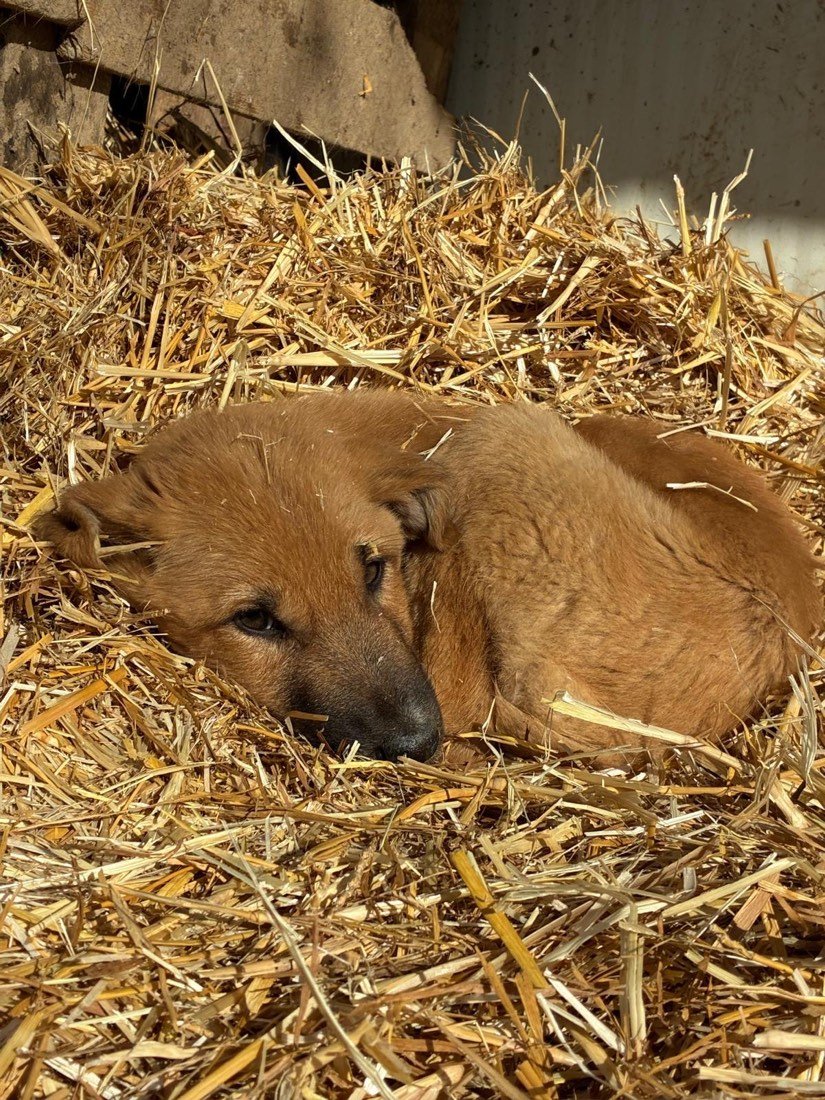
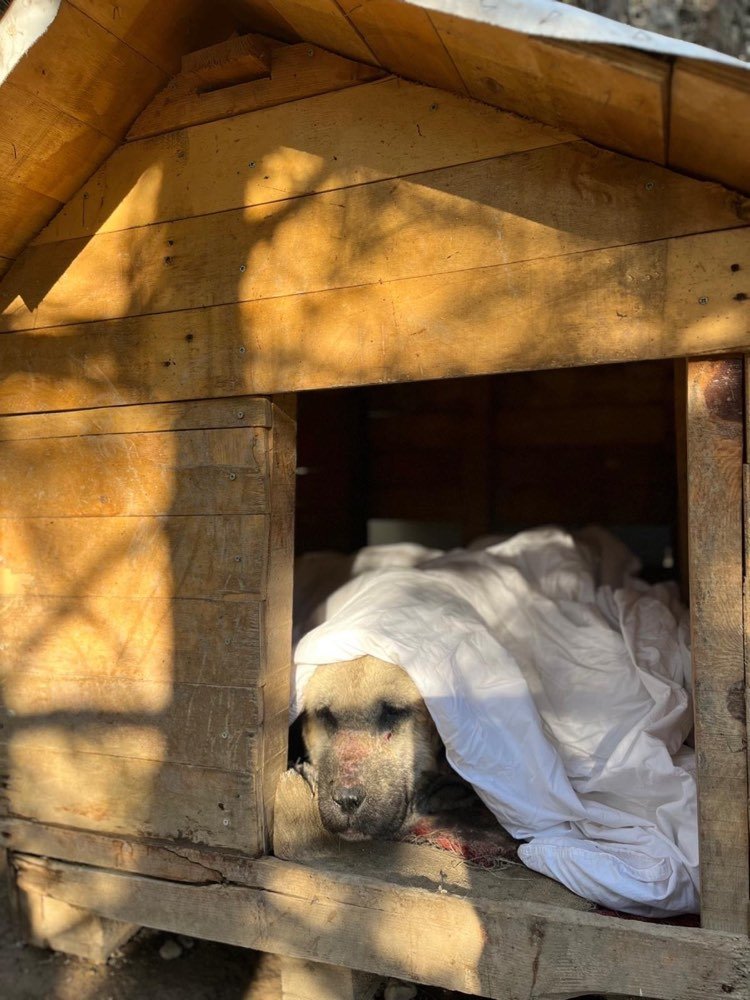
This is the shelter as it stands today, and these are the dogs it has to hold.
The three things
Walls, a roof, warmth in winter and shade in summer. A place where 2,000 dogs can survive long enough to be adopted. This is the one that changes everything, and it is the one we do not have.
Every day, for all of them. There is no season in which this stops and no way to make it cheaper. It is simply the daily cost of keeping two thousand animals alive.
The vet is already there. The supplies are what run out. Parvovirus takes weeks of treatment and it comes back every season.
What it buys
Examination, surgery, worming, vaccination. What turned Doccio around was a Sunday call-out, antibiotics and fluids — the vets said a few more hours and he would have been gone. That is the kind of thing this pays for.
Doccio caught it and spent weeks in hospital, and nearly died a second time. Puppies catch it every season. It is the longest and most expensive thing we pay for, and it is the reason the cost never settles down.
Ongoing, and the single cost the local carers most often cannot cover themselves. They are already paying for food out of their own wages.
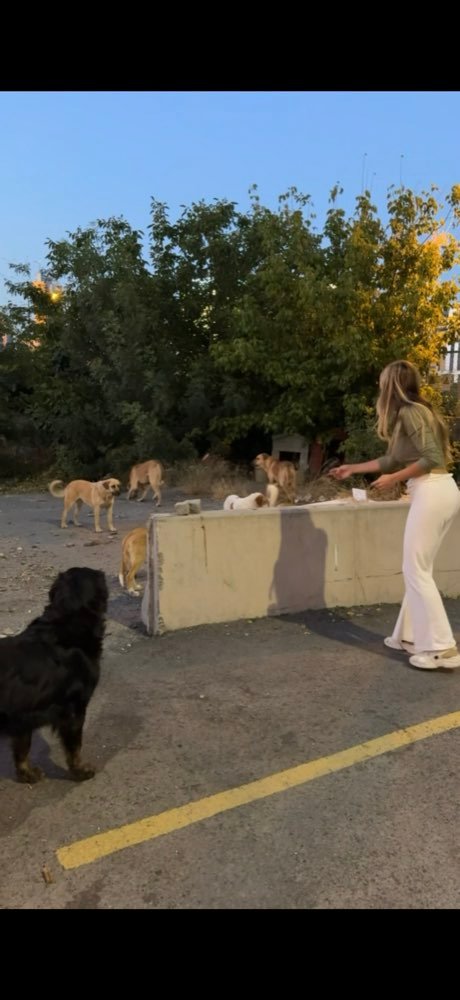
Daily feeding, on the street as well as at the shelter. Some of these dogs are fed by one person, out of one pocket, every single day.
Getting dogs out. Often by road to Spain first, then onward by air once they are old enough to fly. A puppy cannot fly until six months, so transport also means months of somebody keeping that dog alive in the meantime.
Where it does not go
No salaries. No offices. No fundraising overhead. No premises. There are none to pay, and that is not a boast — it is simply the size of the thing.
The founder has covered every rescue so far out of her own pocket, from the proceeds of a business she closed and largely gave away. No public fundraising campaign has ever been run.
Why no percentages
Most charity websites open with a figure — a percentage that goes to the cause, a cost per animal, an annual total. Every one of those numbers should be auditable, and ours are not audited yet.
So we are not publishing any. What we can tell you is exactly what the money buys and exactly who it does not pay, and both of those are on this page.
When there are figures worth trusting, they will appear here with something behind them.
The priority
That sentence is not a figure of speech. What the dogs in Istanbul currently have is not a shelter in any sense a donor would recognise — it is a structure assembled from boxes, and it stands against a city that is very hot in one season and very cold in the next.
Puppies catch parvovirus every season and treatment runs for weeks. Somewhere dry and warm to put a recovering animal is the difference between a course of treatment working and the same dog coming back worse.
Replacing it is the first thing we would do with money that is not already spoken for by a dog who is ill right now.
Where it goes
Veterinary treatment, medicine, food and transport. There are no salaries, no offices and no fundraising overhead.
The campaign is Rescue and Love for Abandoned Puppies. It opens on GoFundMe in a new tab, and every contribution goes to supporting the rescue work.
In more detail
Money
Most people give without ever learning what they bought. Here is the whole ledger, in three lines.
From the ground
We can treat an infection. We can fill a bowl. We cannot make a dog survive a Turkish winter with nothing around it.
I have funded this myself. I can no longer carry it alone.
Saelyra Salazar, founder
Not able to do either right now? Send this page to one person who might.